About Norway
In the far north in Europe, on the Scandinavian peninsula, you will find Norway. A country not only known for its Viking heritage, but also for its majestic and varied nature with high mountains and deep fjords, the Northern Lights, Midnight Sun, chocolate, baked goods and seafood. And of course, the concept of “hygge” and “kos” – enjoying a cosy atmosphere, well-being and the simple pleasures in life.
Norway’s epic coastline, which stretches 102,936 km from Sweden in the south to the Russian border in the north, has shaped this country into a large maritime nation. In addition to mainland Norway, Jan Mayen and Svalbard are also part of this Nordic country.
As of 2024, Norway’s population is estimated at approximately 5.6 million. Most of whom (82%) live in and around urban areas and cities such as Oslo, Bergen, Stavanger and Trondheim.
The Sami people are the indigenous population of Norway. Their traditional settlement areas are in the northern parts of Norway, Sweden, Finland and Russia, but about half of the population lives in the northern parts of Norway.
Therefore, there are two official languages: Norwegian and Sámi, although several different languages are spoken, written, and signed in Norway. Most Norwegians (90%) also speak English.
Norway’s history is shaped by the sea, mountains, and adventurous people. Famous for its fearless seafarers: the Vikings, who set sail from these coasts, exploring, trading, and leaving their mark across the world.
After spending centuries in unions with Denmark and Sweden, Norway wrote its own constitution in 1814 — making it one of the oldest in the world still in use. Full independence came in 1905, when the nation chose its own king and established a modern monarchy.
Today, Norway is known for its democracy, equality, and reputation as a peace nation trying to promote dialogue, peace diplomacy and conflict resolution. Although it is a modern country with innovative technology, it is still a country where history and nature meet in unforgettable ways.
Norway’s climate is as varied as its landscape. Along the coast, the Gulf Stream keeps winters milder than many visitors expect, and summers can be surprisingly warm and sunny.
Southern Norway is considered a summer paradise, with beautiful beaches, boating and sunshine. North of the Arctic Circle, you can experience the Midnight Sun in summer and long, dark, snowy winters lit by the Northern Lights. Trondheim does not get midnight sun, however the summer evenings are long and light. It usually doesn’t get properly dark. You can however rest assured that Norwegian hotels take this into account and have thick curtains to keep the light out, but bring a sleep mask if you are worried.
No matter the season, Norway’s weather changes quickly — so travellers should be prepared to dress for both sunshine and rain. As we say in Norway, “There is no such thing as bad weather, only bad clothing.”
Norwegian and Scandinavian cuisine is renowned for its simplicity, purity, and close connection to nature. Rooted in long-standing traditions of using local and seasonal ingredients, the Nordic kitchen offers flavourful dishes that are both healthy and sustainable. Enjoy fresh seafood such as salmon, cod and shellfish, typically served with potatoes, berries, vegetables and herbs from the mountains and valleys. Norwegian dairy products, especially cheeses like “brunost” and Jarlsberg, are well-known for their quality, flavour and craftsmanship.
Old traditional dishes offer a glimpse into the country’s cultural heritage, while modern Nordic gastronomy blends old techniques with innovation and elegance. Fermentation, pickling and smoking are common methods that create deep, complex flavours.
If you’re craving something sweet, Scandinavian pastries, cakes and baked goods are cherished around the world, so don’t forget to try a fresh cinnamon bun while you are here.
The Scandinavian food philosophy is all about balance – between taste, health and the environment. It’s not just food, it’s a way of life. Whether you’re enjoying a simple slice of bread with brown cheese or a refined dish at a Michelin-starred restaurant, you’ll find that Norwegian food is crafted with care and deep respect for nature.
Welcome to a cuisine as fresh and beautiful as the landscape it comes from.
Naturally, visitors will also find a wide range of international cuisines and popular fast food options. Norwegians are known to be passionate about their pizza, coffee and Friday-tacos.
Things to bring
Sunscreen, sun glasses, eye mask, wool clothing, rain jacket or umbrella, light shoes that are good for walking.
Area code
The area code in Norway is +47. For emergency numbers area code is not necessary.
Currency, cash and cards
The Norwegian currency is the Norwegian krone (NOK). 1 Euro is worth about 11.80 NOK. In Norway the most common way of paying is with credit or debit cards, many places also accept Google Pay and Apple Pay. It is unusual to use cash, and some places will not accept cash at all, however most grocery stores and other regular stores accept cash as payment. There are ATMs at the airport, and at major shopping centres in central Trondheim.
Not all places accept foreign credit cards, like post offices and some grocery stores, however they accept debit cards.
Tipping
It is usually not common to tip in Norway, as service employees in Norway make regular wages and don’t depend on tips. Tips are still appreciated if you are happy with the service. In some bars and restaurants, you will get the option when you pay. There is no fixed amount, somewhere between 5-15% of the bill is common.
Information points
If you need information or help getting around, there is a tourist information point in Kongens gate 11, inside the shopping centre Trondheim Torg.
Electricity
The Norwegian standard is 220 Volts AC (50 Hz). Norway uses the continental European standard socket.
Drinking water
Tap water is universally drinkable in Norway, and you don’t need to buy bottled water. The water in the taps in Trondheim is always drinkable and tasty. There are drinking fountains or faucets where you can fill up your water bottles at the university, and at your hotels.
Emergency phone numbers
Police: 112, Ambulance: 113, Fire department: 110.
Only to be used in an emergency! Free of charge to call emergency services.
Hospital: St. Olavs hospital is in Mauritz Hansens gate 4, 7030 Trondheim.
Non-emergency phone number for the hospital: +47 116 117
Non-emergency phone number for police: +47 02800
Languages
Norwegians learn English from an early age, and most Norwegians speak English, if not fluently, at least well enough to help you with your questions.
Switzerland is a landlocked country in central Europe, bordered by Italy, France, Germany, Austria, and Liechtenstein. It is characterized by three main geographical regions: the Alps, the Swiss Plateau, and the Jura. The Alps cover the southern part and include some of the highest peaks in Europe, such as the Dufourspitze in the Monte Rosa massif. The Swiss Plateau, where most of the population resides, features rolling hills, lakes, and cities like Zurich, Geneva, and Lausanne.
As of 2023, Switzerland’s population is estimated at approximately 8.9 million. The population is highly urbanized, with about 85% living in urban areas, primarily in cities such as Zurich, Geneva, and Basel. The country is known for its cultural diversity, with four different linguistic areas: French in the west (22% of the population), German in the north and center (63%), Italian in the canton of Ticino (south-east; 8%), and Romansh in the east (0.5%). With almost half of the population having a migration background, a lot of people in Switzerland are multilingual, and English is often used as a lingua franca between the different linguistic areas.
Switzerland’s history is marked by its longstanding policy of neutrality and its establishment as a federal state. The Swiss Confederation was founded in 1291, and its independence was recognized by the Peace of Westphalia in 1648. Switzerland has maintained a policy of armed neutrality since the 16th century. It became a federal state in 1848 and joined the United Nations in 2002.
The Swiss flag is one of the most recognizable in the world, featuring a white cross on a red background. It is one of only two square sovereign-state flags (the other being the Vatican City flag). The white cross on the red field is a symbol of peace and honour, and its design has been associated with Switzerland since the medieval Old Swiss Confederacy. It has inspired the Red Cross symbol, which displays the reversed Swiss flag to honour the Geneva Convention and the Swiss co-founder of the Red Cross Henri Dunant.
Switzerland has a diverse climate due to its varied topography. The climate ranges from glacial conditions in the high Alps to near Mediterranean conditions in the southern valleys. Generally, the country experiences cold winters with heavy snowfall in the mountains and warm summers. The Swiss Plateau, where Lausanne is situated, has a moderate climate throughout the year.
Swiss cuisine is a testament to its cultural diversity, featuring a rich array of regional dishes. Iconic staples like fondue and raclette highlight the country’s love for melted cheese, while rösti, a traditional potato dish, is also widely enjoyed. Switzerland is renowned for its exceptional chocolate and cheese. Italian cuisine, brought by immigrants, is prevalent, especially influencing the French-speaking regions. Additionally, Switzerland produces a variety of wines, particularly from the regions of Valais, Vaud, and Geneva.


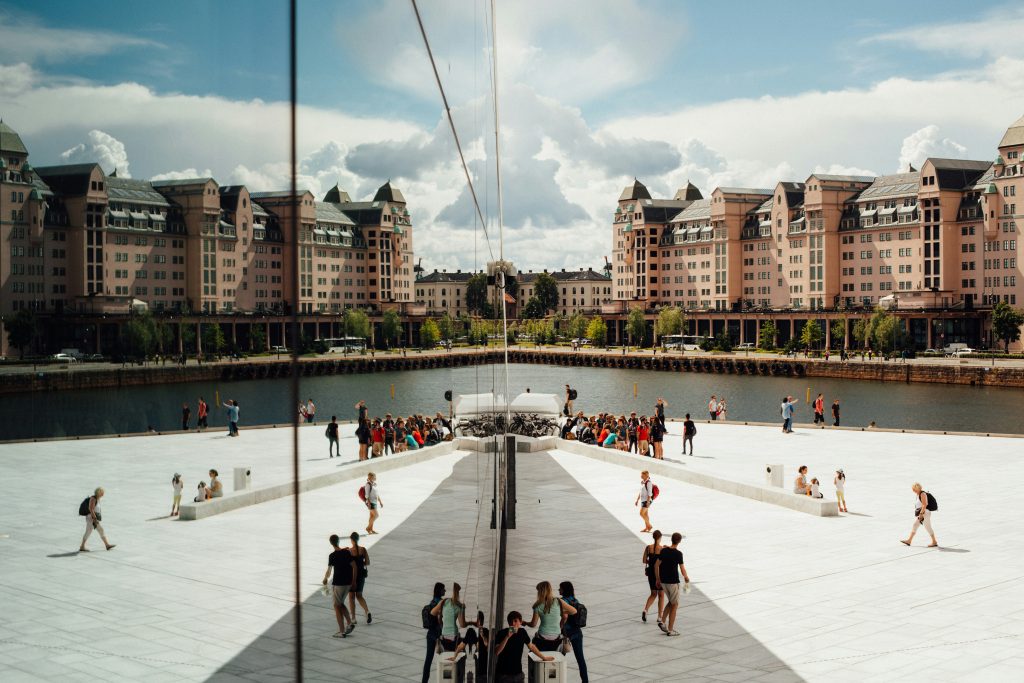
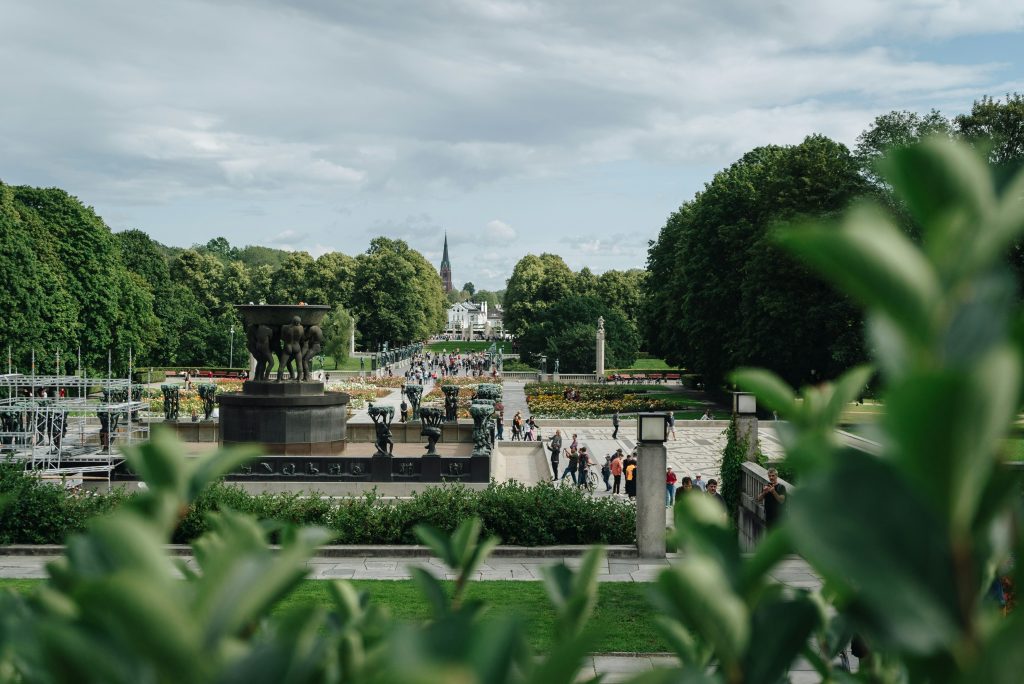
Photo 1: Mykola Ksenofontov / Visit Trondheim
Photo 2: Visit Trondheim
Photo 3: Robert Bye on Unsplash
Photo 4: Oliver Cole on Unsplash
Photo 5: Nick Night on Unsplash