Venue: University of Essex & Wivenhoe Park
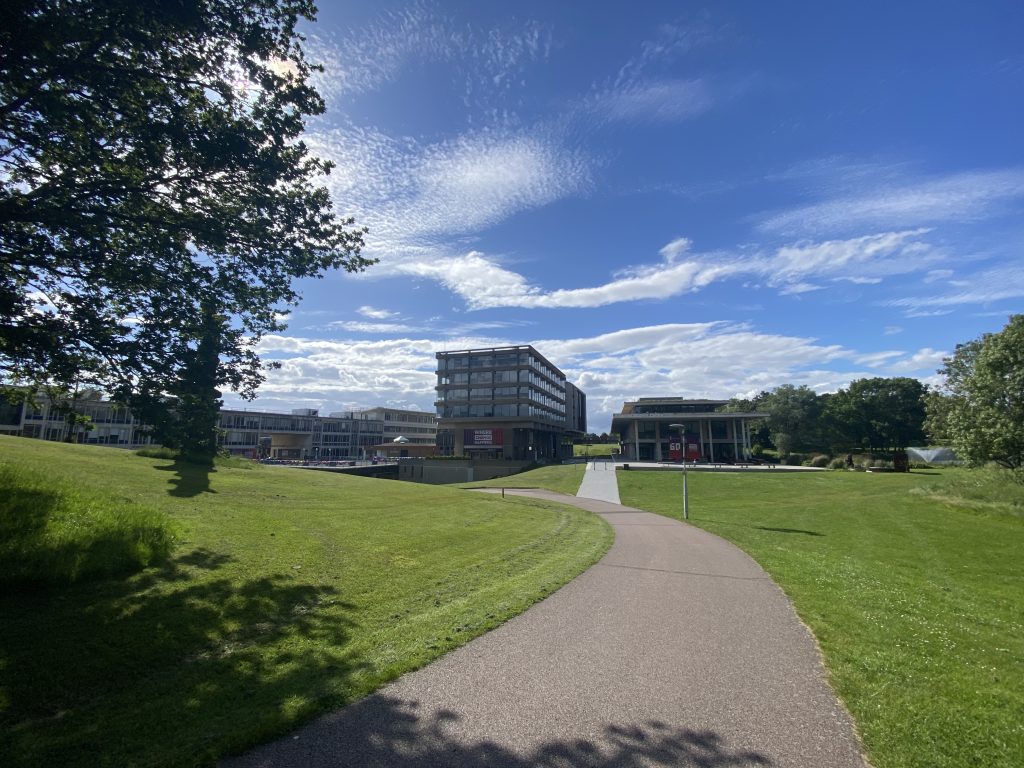
LIBER 2027 will be hosted at the University of Essex’s Colchester Campus, set within 200 acres of award-winning parkland at Wivenhoe Park. Located close to the historic city of Colchester, the campus is easily accessible from London and Stansted Airport.
Founded in 1964, the University of Essex is an international academic community with a strong reputation for research, education and positive social change. The University brings together students and staff from around the world, creating a welcoming environment for collaboration, discussion and the exchange of ideas.
The Colchester Campus is located within Wivenhoe Park, a landscape celebrated in John Constable’s 1816 painting Wivenhoe Park, Essex. Today, its mature parkland, lakes and open green spaces sit alongside striking mid-century architecture and modern teaching and research facilities, creating a distinctive setting for one of Europe’s leading research library conferences.
At the heart of the conference venue is the Ivor Crewe Lecture Hall, a purpose-built auditorium for major conferences, lectures and events. The venue is supported by modern breakout rooms, exhibition spaces and welcoming areas for networking and refreshments.
The campus also offers a wide range of facilities within walking distance of the conference venue, including cafés, restaurants, shops, accommodation, sports facilities and the Albert Sloman Library.
The conference will take place in the Ivor Crewe Lecture Hall and nearby teaching and event spaces at the Colchester Campus.
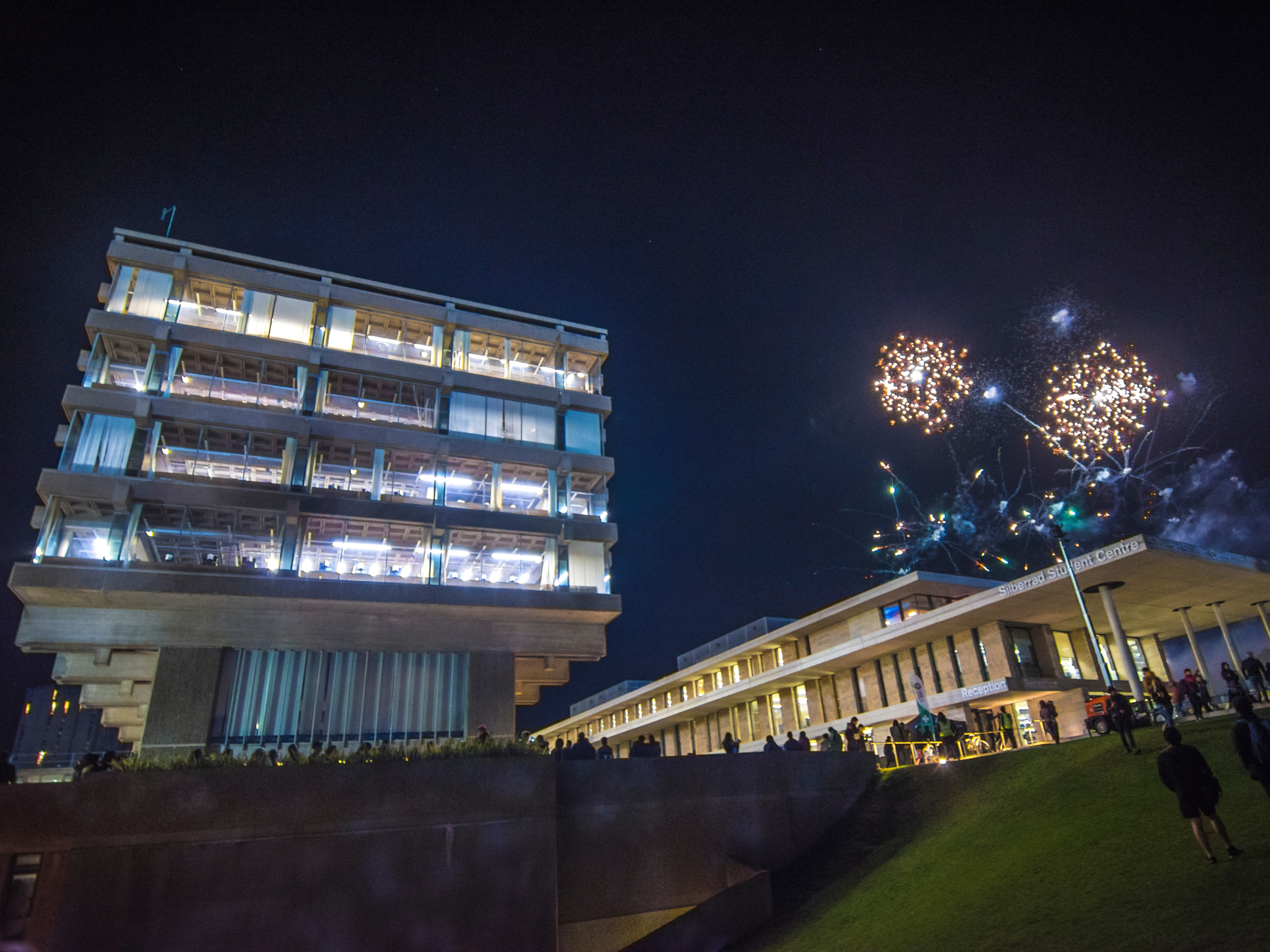
The Ivor Crewe Lecture Hall is located in the central campus area, close to the Lecture Theatre Building, the Silberrad Student Centre and the Albert Sloman Library.
To find your way around the conference venue and wider campus, use the University of Essex’s interactive MazeMap campus map.
The host library: Albert Sloman Library
Overlooking the lakes of Wivenhoe Park, the Albert Sloman Library will proudly serve as the host library for LIBER 2027.
At the heart of the University of Essex’s academic community, the library supports research, teaching and learning through extensive collections, electronic resources, specialist expertise and welcoming spaces for study and collaboration.
The library is home to more than 70 named collections, preserving distinctive materials that support research across cultural, political and social history. These collections bring together established scholarship and new perspectives, reflecting the conference theme, Research libraries as a force for knowledge autonomy.
Among the University’s most distinctive cultural resources is the Essex Collection of Art from Latin America, known as ESCALA. This internationally significant collection supports research, teaching and engagement with modern and contemporary art from Latin America.
Throughout the conference, delegates will be warmly invited to explore the library, discover its collections and connect with colleagues in one of the University’s defining academic spaces. As the wider LIBER programme brings library leaders and their teams together for networking, collaboration and community-led discussion, the library will provide a fitting setting in which ideas can be shared and new connections can grow